

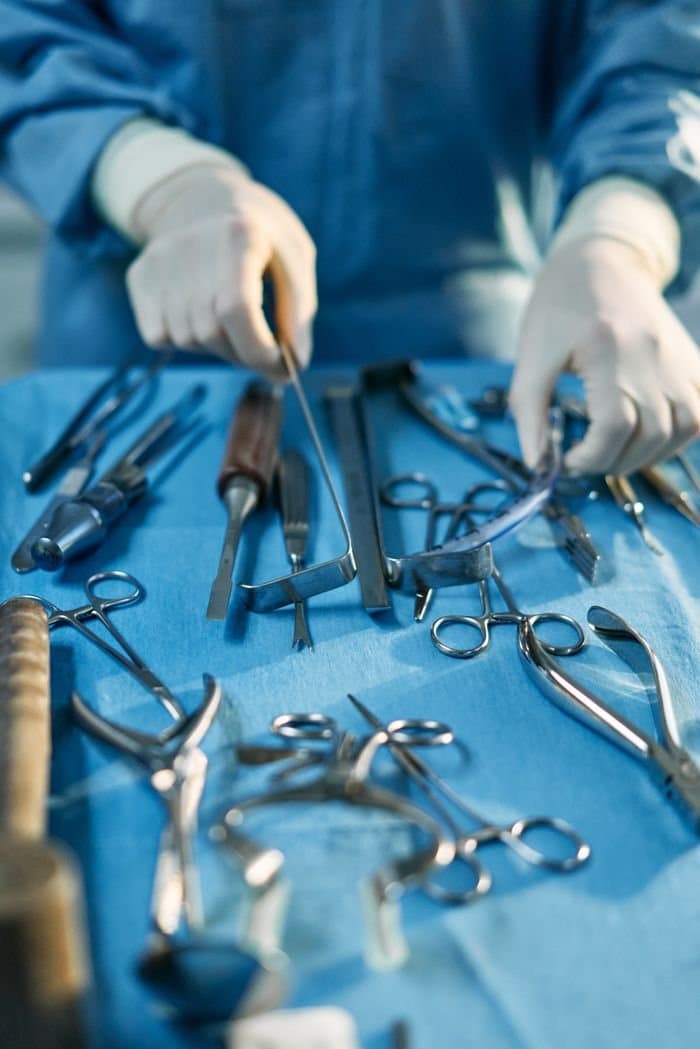
How is it performed?
The location and type of fracture are determined with a CT scan. Bone fragments are reached through areas that leave little visible scarring, such as inside the mouth, the eyelid or the scalp, wherever possible; they are returned to their correct positions and fixed with titanium plates and screws. For fractures affecting the bite, the alignment of the jaws is also checked during surgery.
Who is it suitable for?
- People with facial fractures after an accident, fall or blow
- Those with deformity or dysfunction from old fractures
Consultation and preparation
- At the first consultation, your expectations, medical history and current medications are discussed in detail.
- Blood tests and any other necessary examinations are carried out before surgery, and an anaesthetist's assessment is obtained.
- Blood thinners, certain herbal products and supplements may need to be stopped for a period beforehand on the physician's advice.
- Smoking impairs wound healing; a break of at least several weeks before and after surgery is recommended.
- Fasting times and your arrival time at the hospital are given to you in advance.
Recovery
Recovery depends on the location and extent of the fracture. Jaw fractures may require a soft diet for some time.
Aftercare advice
- Take the prescribed medication and follow the dressing instructions as advised.
- Short walks in the early period support circulation; avoid heavy lifting and intense exercise until your physician approves.
- If recommended, wear the garment, bandage or compression clothing for the specified period.
- Protect the incision areas from direct sunlight during the first months.
- Attend your follow-up appointments regularly; contact us without delay if you develop fever, increasing pain, redness or discharge.
Possible risks and complications
- Infection
- Temporary or permanent changes in sensation
- Bite (occlusion) problems
- Asymmetry
- Need for revision
Frequently asked questions
When should facial fractures be operated on?
Timing depends on the type of fracture and the degree of swelling. Some fractures need urgent treatment, while for others it may be appropriate to wait a few days for the swelling to settle.
Are the plates and screws removed?
Titanium plates can usually stay in the body. If they cause discomfort, they can be removed with a second procedure.
Where is the surgery performed?
Operations are performed in licensed hospitals in Istanbul, primarily Liv Hospital Topkapı, with an anaesthetist present.
I am travelling from abroad. How long should I stay in Istanbul?
This depends on the type of surgery and your recovery. After the preliminary assessment, the recommended length of stay is given to you in writing.